 Internet & Social Media Law Blog





The world has not yet fully explored the potential of artificial intelligence (AI), and yet another major technological wave is already forming on the horizon: quantum computing. While the transition from acknowledged potential to established, practical application of new quantum technologies remains underway, stakeholders in the real estate industry may soon see growing demand for specialized facilities designed to support quantum research, development and operations.
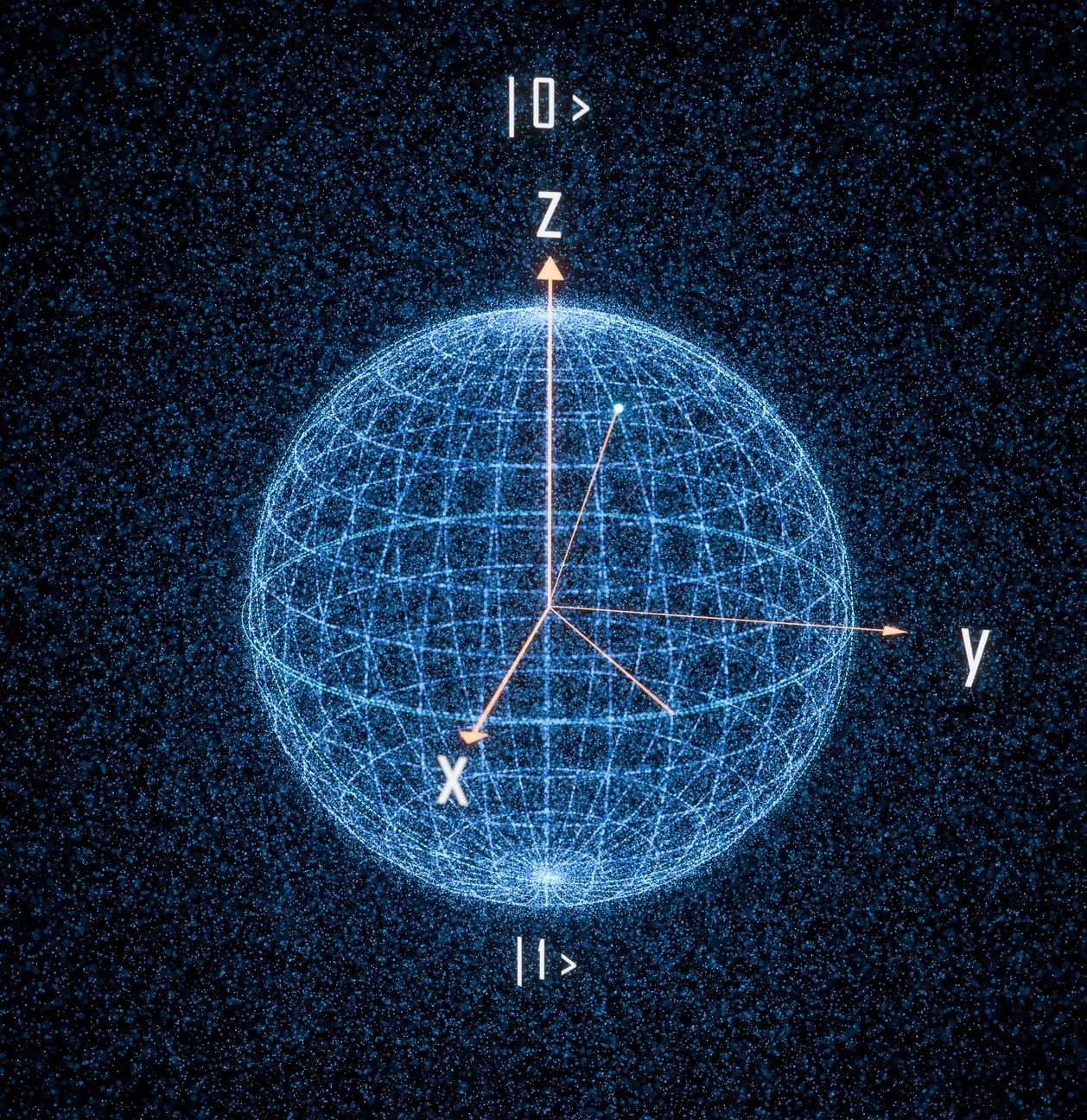
So, what is quantum computing? At the risk of oversimplifying, quantum technology allows a computer to consider and solve multiple possibilities at one time, instead of one at a time as with a traditional computer. Also unlike traditional computers, which process information sequentially using bits that are either 0 or 1, quantum computers use qubits, which can represent multiple states simultaneously. As a result, quantum computers have the theoretical ability to solve certain highly complex problems far more efficiently than even the most souped-up traditional supercomputer.
Not surprisingly given its paradigm-altering potential, investment in the sector is accelerating rapidly. As research efforts expand and pilot systems move toward practical applications, a new category of highly specialized real estate development is likely to emerge.
The energy profile of quantum computing facilities is expected to differ significantly from that of today’s AI-focused data centers. Modern AI systems, particularly those used to train large-scale models, require enormous computational power and electricity, often consuming megawatt-hours of energy over extended training cycles. Data centers supporting these workloads are correspondingly energy-intensive and increasingly constrained by electric power availability. Quantum computers, on the other hand, may eventually perform certain calculations using far fewer computational steps than classical systems, potentially reducing total energy consumption.
However, this theoretical efficiency will need to be weighed against the substantial complex infrastructure currently envisioned as required to operate quantum hardware. Quantum computers require highly specialized built environments that are not commonly found in traditional commercial real estate. Facilities may need advanced vibration isolation, electromagnetic shielding, stable temperature control, and enhanced physical and data security measures. Quantum computing is unlikely to completely eliminate the need for large data centers or significantly reduce overall energy demand in the near term (unless something drastic changes, which is always a possibility with new technology). Instead, we may see quantum facilities that complement existing data center models.
Early quantum ecosystems are being formed near major research institutions and national laboratories, including regions such as Washington, D.C. (College Park, Maryland); Chicago; Boston; and Southern California. These locations benefit from ready access to academic talent, government funding and established research infrastructure. The U.S. government is also investing significant dollars into the technology. As quantum ecosystems mature, the demand for “live and work” communities is likely to grow, i.e., not only the technical facilities and laboratories but also adjacent office, retail and mixed-use developments that support the workforce driving this sector.
According to a 2024 JLL report, quantum-technology-focused startups attracted approximately $2 billion in investment during that year, and some forecasts project that the global quantum computing industry could reach $100 billion in annual revenue by 2035.
As with any emerging technology, real estate developments for quantum facilities will require careful, informed analysis. Such projects may involve challenges not typically encountered in traditional real estate developments, including exacting specifications, complex infrastructure requirements, novel environmental controls, evolving zoning and building code considerations, and heightened operational and security risks.
Beyond real estate issues, quantum computing also raises broader legal and regulatory questions. As the technology advances, its potential ability to compromise traditional encryption methods could have significant implications for data security, privacy regulation and cybersecurity compliance. Intellectual property regimes may need to adapt to account for inventions developed or analyzed using quantum algorithms, while export controls and national security regulations are likely to play an increasing role in governing quantum technologies with cross-border applications.
While quantum computing may still seem like a technology of the distant future, its steady progress suggests that real estate developers, investors and advisors who begin planning now will be better positioned to respond as the market evolves. Those who understand both the technological realities and the associated infrastructure needs will be best equipped to capture opportunities arising from this next wave of innovation.
RELATED ARTICLES
Quantum‑as‑a‑Service: Contracting for the Next Wave of Cloud Computing
Why Your Organization Should Be Thinking About Quantum Computing and the Future of Encryption