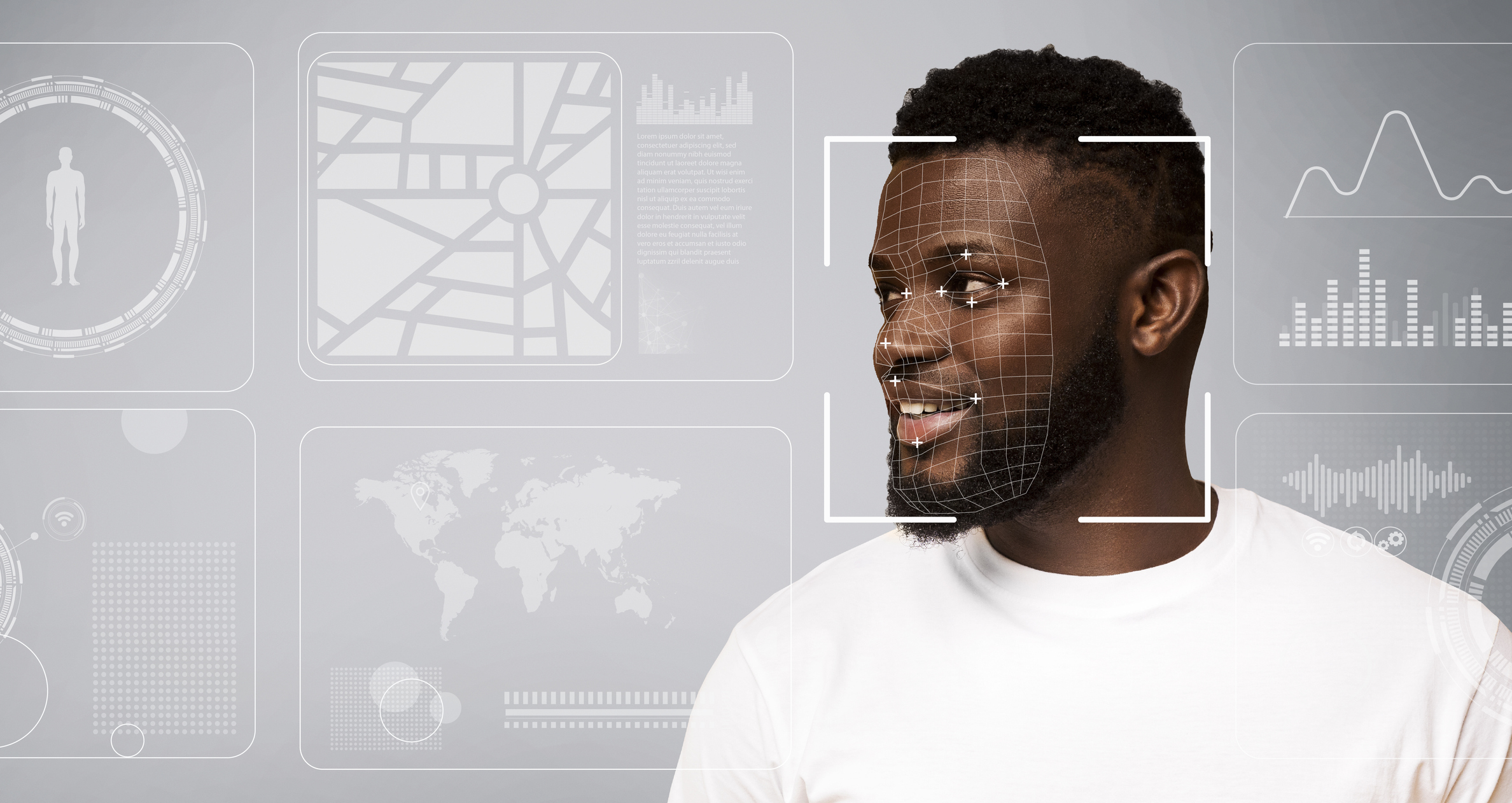

It might be a little meta to have a blog post about a blog post, but there’s no way around it when the FTC publishes a post to its blog warning companies that use AI to “[h]old yourself accountable—or be ready for the FTC to do it for you.” When last we wrote about facial recognition AI, we discussed how the courts are being used to push for AI accountability and how Twitter has taken the initiative to understand the impacts of its machine learning algorithms through its Responsible ML program. Now we have the FTC weighing in with recommendations on how companies can use AI in a truthful, fair and equitable manner—along with a not-so-subtle reminder that the FTC has tools at its disposal to combat unfair or biased AI and is willing to step in and do so should companies fail to take responsibility.
NFT Platforms and the (Sort of) Return of the Record Store
Over the past few months, non-fungible tokens (NFTs) have exploded in popularity in the worlds of visual arts, sports memorabilia, bobbleheads, and now, music. We have recently seen multiple high-profile NFT releases from artists such as the Weeknd, the White Stripes, Kings of Leon, Linkin Park’s Mike Shinoda, and Steve Aoki, kickstarting a trend as musicians reeling from over a year without touring seek new ways to engage with fans.
Google v. Oracle, Fair Use and the Decreasing Value of Code Over Time
Earlier this month, in what many consider the copyright case of the decade, the Supreme Court released its much-anticipated decision in Google v. Oracle. In it, the Court ruled that Google’s copying of 11,500 lines of declaring code from Java SE for use in Google’s Android platform, was fair use. Having recently reviewed the history of the fair use defense in copyright infringement cases, we now turn to the case itself.
A Short History of the Fair Use Defense in the Software Industry
Last month, the Supreme Court released its much-anticipated decision in Google v. Oracle. The Court ruled that Google’s copying of 11,500 lines of declaring code from Java SE, for use in Google’s Android platform, was fair use.
While we examine the Supreme Court’s decision in another post, let’s first take a look at the history of the fair use defense in the software industry.
Playboy, NFTs and Monetizing a Traditional Media Portfolio
Just as video killed the radio star, so did the digital transformation kill (or at least convert) traditional media. While “going digital” became the bane of many traditional media companies that struggled to make the leap to an online world, NFTs may be the digital savior that some of these companies need. Imagine that you are a company with a known brand and sizeable catalog of media with potential historical and cultural significance. Yet, you’ve found it difficult to monetize these assets in a world that abhors paywalls and often takes an overly broad view of what constitutes “fair use.” If only there were a way to highlight the unique significance of these assets and tap into the latent collector in all of us. Anyone who follows us already knows that NFTs can serve this very function.
With Facial Recognition, Responsible Users Are the Key to Effective AI
As part of our on-going coverage on the use and potential abuse of facial recognition AI, we bring you news out of Michigan, where the University of Michigan’s Law School, the American Civil Liberties Union (ACLU) and the ACLU of Michigan have filed a lawsuit against the Detroit Police Department (DPD), the DPD Police Chief, and a DPD investigator on behalf of Robert Williams—a Michigan resident who was wrongfully arrested based on “shoddy” police work that relied upon facial recognition technology to identify a shoplifter.
False Advertising, Trademark Infringement and TOS: Three Common Hashtagging Mistakes for Companies to Avoid
When the first social media hashtag was used in 2007, users had no idea how ubiquitous hashtags would become. Today, hashtags are an essential part of our lives (and a subject we’ve been writing about for years). From marketing a business to garnering support for a cause, hashtags have become an essential part of our society. This may even be an understatement. For instance, from May 26, 2020, until June 7, 2020, alone, the #BlackLivesMatter hashtag was used over 47 million times on Twitter. 47 million. Talk about impact.
SCOTUS Keeps It Practical in Honing the Definition of an Autodialer under the TCPA
On April 1, 2021, the U.S. Supreme Court resolved a long standing issue plaguing providers of text message services and the companies engaging in text message marketing. Lower courts have been split in defining what constitutes an “automatic telephone dialing system” or auto-dialer with the definition either limited to equipment whose capacity to generate, store and dial telephone numbers was limited to random or sequential numbers or to any device with the capacity to store and automatically dial stored numbers using, for example, a speed-dial function.
Fractionalized NFTs: Breaking Down Investing in Art
Anyone who follows the crypto space knows that non-fungible tokens (NFTs) are all the rage of late. We have written on the subject previously on multiple occasions, particularly with respect to NFTs that tokenize works of digital art. (For a primer on digital art NFTs, check out prior posts here and here.)